Showing posts with label metal water bottles. Show all posts

Sunday, September 18, 2011

Safe plastic drinking water bottles -- How much damage do plastic bottles do to our environment?


Safe plastic drinking water bottles:  reduce, reuse and recycle

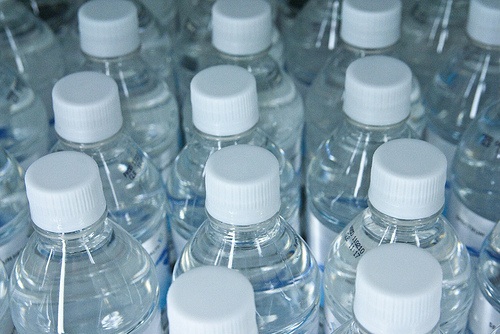
Using safe plastic drinking water bottles is one way to help reduce the impact to the planet of consuming plastic.  “Reduce, reuse, recycle” still are the best ways to help the environment especially when you read these overwhelming facts about plastic bottles:


  • It takes 700 years for plastic bottles begin composting
  • Nearly 7x as much water is used to make and transport one kilogram of bottled water as is in the bottle

  • 90% of the cost of bottled water is due to the bottle itself
  • 80% of plastic bottles are not recycled. More than 60 million plastic water bottles end up in landfills or incinerators every day.

  • In 2006, Americans drank an average 167 bottles of water each for a total of 50 billion bottles (total spent $15 billion). Of that total, only 23% was recycled.
  • 24 million gallons of oil are needed to produce a billion plastic bottles. Currently, the amount of oil we use to produce water bottles each year (17 million barrels) could fuel over 1,000,000 cars for an entire year.

  • If you drink 2 Liters of tap water a day, it only costs you 50 cents per year to drink. Drinking the same amount, but bottled will cost you nearly 1000 times more.


The story of bottled water
When I was a kid, we would normally drink straight from tap.  We usually drank from glass and then suddenly, we find ourselves searching for safe plastic drinking water bottles.  

These days, a lot of us cannot imagine drinking tap water and I have often wondered what happened between then and now that made plastic bottled water a hit.  In this video, Annie Leonard provides some very interesting answers to our obsession to bottled water.


To know more about the story of bottled water and how our obsession with stuff is trashing the planet, our communities, and our health, check out the book from the host of the Internet film sensation “The Story of Stuff”, Annie Leonard. 


How much plastic trash are you contributing to the pile of plastic garbage each day?  

How much do you spend buying plastic bottled water each week?

How much can you save by cutting on your bottled water purchase?


How can you help reduce the pile of plastic garbage that harm our environment and our society as well?

Reduce, reuse, recycle and start using safe plastic drinking water bottles.


Resources:
www. Treehugger.com
www. Ecoplum.com
www. Mindfully.org
www. container-recycling.org
storyofstuff.org

Photo thanks to http:// www. flickr.com/photos/horiavarlan/

Sunday, August 14, 2011

Safe plastic drinking water bottles -- Is my water bottle safe?


Safe plastic drinking water bottles seem to be what everybody is looking for. 

We all know how important plastic material has become. We use it everyday in our compact discs and DVDs, mobile phones, computers, and in so many things we use everyday. The moment you wake up, plastic is one of the first things you see. It’s in your home, your place of work, the gym, your favorite park, your school, and practically everywhere!  

Imagine your day without plastic. Kinda tough, right?

But these days more and more people are questioning if plastic, when used to store the water we drink, is safe.

To know this, we need to know what our plastic bottles are made of.  Each bottle is marked with a number inside a recycling symbol. This number is key to knowing what’s inside your bottle so start flipping them over, know what harm they can cause you and which ones are safe plastic drinking water bottles.

#1 PETE or PET (Polyethylene Terephthalate)
  • Used for most water and soda bottles
  • Leaches phthalates that are known carcinogens.  They are known to cause endocrine disruption, reduced sperm counts, testicular atrophy, and structural abnormalities in the reproductive systems of male test animals. They are also linked to liver cancer.
#2 HDPE (High density polyethylene)
  • Used for cloudy milk and water jugs and opaque food bottles
  • Leaches bisphenol A (BPA) linked to cancers, impaired immune function, early onset of puberty, obesity, diabetes, hyperactivity. 
  • Studies of water samples from #2 bottles showed elevated levels of barium and zinc. High levels of barium can affect the nervous system and cause cardiac arrythmia, while excessive zinc can prevent iron and copper absorption.
#3 PVC or V (Polyvinyl chloride)
  • Used in some cling wrap, soft beverage bottles, plastic containers, plumbing pipes, children’s toys, vinyl windows, shower curtains, shades and blinds, and many more items
  • Polyvinyl chloride can cause cancer, birth defects, genetic changes, chronic bronchitis, ulcers, skin diseases, deafness, vision failure, indigestion, and liver dysfunction. It is also linked to asthma symptoms in young children and environment and autism spectrum disorders. 
  • It also leached phthalates (see #1)
#4 LDPE (Low density polyethylene)
  • Used in plastic grocery bags, plastic wrap, bubble wrap, dry cleaning bags, and flexible lids
  • LDPE is not considered a carcinogen or endocrine disruptor. However, it leaches small amounts of BPA (see #2)
#5 PP (Polypropylene)
  • Used in yogurt cups, some baby bottles, screw-on caps, toys, drinking straws
  • Considered one of the safest plastics for human health as it is not known to leach any chemicals
#6 PS (Polystyrene)
  • Used in egg cartons, foam meat trays, clear take out containers, plastic cutlery, toys, cups, CD containers
  • Leaches the solvent styrene that is known to adversely affect the central nervous system. It also leaches benzene that can cause digestive problems, harm bone marrow, and the immune system, and cause a decrease in red blood cells that can lead to anemia. It has also been linked to low birth weights in animals.
#7 Other (usually Polycarbonate)
  • Used in 5-gallon water bottles, some baby bottles, and lining of metal food cans
  • Leaches bisphenol A (BPA) linked to cancers, impaired immune function, early onset of puberty, obesity, diabetes, hyperactivity. 

Safe plastic drinking water bottles can be difficult to find but many plastic alternatives are becoming more and more available now. Bio-plastic water bottles or bottles made from plants are also trickling into the market. But some are saying that companies producing these alternatives are only “greenwash” because producing these bottles requires more material to produce and are not really recyclable. 

Meanwhile, stainless steel metal or glass containers are safer alternatives. Better yet, a greener action is to avoid drinking bottled water altogether.

To know more about how you can reduce toxins in your home, check out this book about making your house clean and safe.


Ask yourself, is your water bottle safe?  Know what they are made of and see if you are using safe plastic drinking water bottles.

Information on plastic bottles, thanks to AZGreen Magazine.
Photo thanks to http://www. flickr.com/photos/ stevendepolo/